When Streets Sing: Mapping the Invisible Orchestra of Urban Life
How Cities Reveal Themselves Through Sound
Morning thresholds
Edges and corridors
Soundmarks and memory
Rituals That Tune Neighborhoods
Sacred clocks
Across cities, devotion travels by air: muezzins shape horizons with melodic intervals, temple drums thicken dawn like incense, and bells braid hours into comfort. These signals synchronize dispersed strangers, offering bearings, solace, and sometimes gentle disputes about volume, timing, and shared rights to breathe spiritual resonance.
Civic gatherings
Parades, protests, and block parties score democracy with drums, whistles, portable speakers, and disciplined silences that say as much as slogans. Choreographies grow from sidewalks upward, letting residents claim streets temporarily, negotiating safety, joy, and purpose while children learn rhythms of participation by marching beside grandparents.
Family rites in public
Weddings, quinceañeras, and homecomings spill outward, escorted by horns, honks, and dancing feet. Courtyards echo with laughter that stitches generations, while car caravans translate intimate vows into rolling fanfares. Neighborhoods remember these passages, because celebration leaves tonal fingerprints that outlast confetti, guiding future ceremonies to familiar routes.
Music in Motion: Transit, Commerce, and Street Performance
Identity, Belonging, and Sonic Boundaries
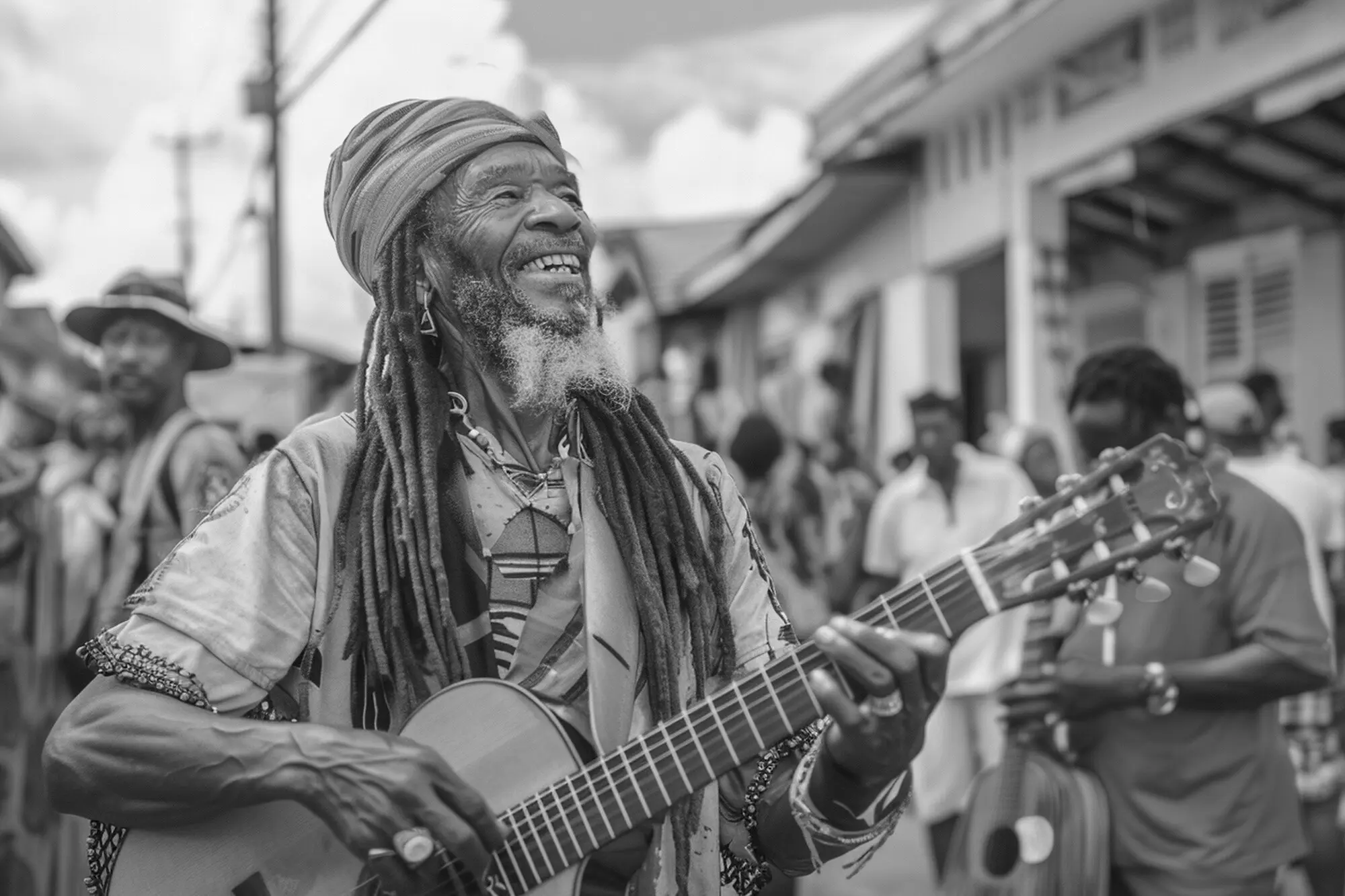
Soundwalk practice
Tools that disappear
Share and care

Designing Better Cities With Ears Open
Softer streets
Street trees, textured pavements, and slower speed limits collaborate to reduce stress. Benches face fountains rather than freight routes. Tiny courtyards collect conversations without export. Designers measure reverberation times, then tune corners like instruments, proving that welcoming places can feel calmer without sacrificing energy, commerce, or surprise.
Signals that include
Accessible pedestrian signals, tactile maps, and consistent audio beacons extend independence to travelers who navigate by ear. Volume, pitch, and repetition vary carefully to avoid confusion while outcompeting traffic. When cues align across districts, visitors explore farther, and longtime residents feel respected rather than managed or sidelined.
Art as navigation
Sound installations double as wayfinding, offering identities to plazas and underpasses that once felt unsafe or forgettable. Interactive pieces reward curiosity, inviting playful routes home. When everyday movement becomes musical, care grows; people tend spaces that acknowledge them, and vandalism loses its audience to wonder.

All Rights Reserved.